6 min read
Business Automation: How Smart Systems Help Businesses Save Time, Cut Costs, and Scale Faster
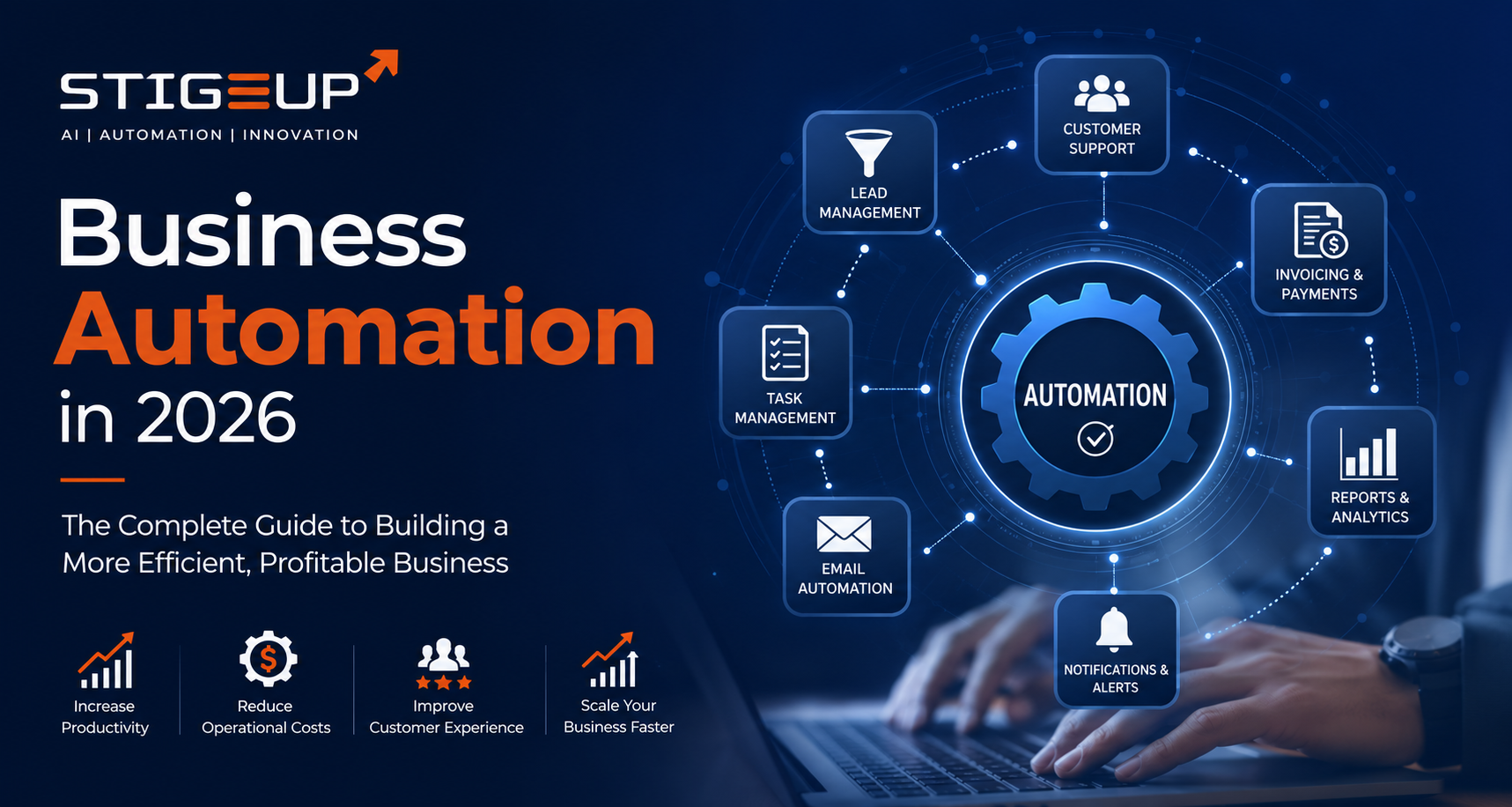
Running a business often means wearing too many hats at once. One hour you are managing customers, the next you are checking invoices, replying to team messages, following up on leads, or trying to fix a process that keeps breaking. For many business owners, the problem is not a lack of effort. It is the amount of manual work that slows everything down.
That is where business automation comes in.
Business automation is the use of technology to handle repetitive tasks, routine workflows, and operational processes with less human effort. Instead of asking your team to do the same time-consuming tasks again and again, automation allows systems to do them faster, more consistently, and with fewer mistakes.
For growing businesses, automation is no longer a luxury. It is becoming a practical way to improve productivity, reduce operational pressure, and create room for real growth.
What Is Business Automation?
Business automation means using software, tools, and connected systems to complete tasks automatically based on rules or triggers.
For example:
- Sending a welcome email when a new lead fills out a form
- Assigning a support ticket to the right team member
- Updating a CRM when a deal moves to the next stage
- Sending payment reminders before invoices are due
- Sharing customer order updates without manual follow-up
These may look like small tasks, but together they consume a huge amount of time across departments. When automated properly, they help businesses run smoothly without depending on constant manual intervention.
Why Businesses Struggle Without Automation
Many businesses still rely on spreadsheets, chat messages, email chains, and memory to manage day-to-day operations. This usually creates several problems.
First, tasks get delayed because people forget, get busy, or do not have a clear process to follow. Second, errors become more common because humans are repeating the same steps under pressure. Third, teams waste valuable time on work that could easily be handled by a system.
The biggest issue is that manual work does not scale well. A process that works for 10 customers may completely fall apart when the business reaches 100 or 1,000 customers. That is when founders start feeling the strain: more work, more confusion, and no corresponding improvement in output.
The Real Benefits of Business Automation
Business automation is not just about saving a few minutes here and there. It creates deeper operational advantages that can change how a business grows.
1. Saves Time
Repetitive tasks are often the biggest drain on productive hours. When automation takes over these tasks, your team gets more time to focus on strategic work, customer relationships, sales, and innovation.
2. Reduces Human Error
Manual processes leave room for mistakes. A missed follow-up, an incorrect update, or a forgotten invoice can affect revenue and customer trust. Automation helps standardize execution and reduces avoidable errors.
3. Improves Customer Experience
Customers expect quick responses and smooth experiences. Automation can help businesses respond instantly, keep customers informed, and ensure no lead or support request is left behind.
4. Increases Operational Consistency
A good automated workflow follows the same logic every time. This makes your operations more predictable and reliable, which is especially important as your business grows.
5. Helps You Scale Without Growing Headcount Too Fast
One of the most powerful benefits of automation is leverage. Instead of hiring more people for every new process, businesses can create systems that handle more volume with the same team size.
Where Business Automation Creates the Most Value
Not every part of a business needs automation, but some areas benefit immediately.
Lead Management and Sales
When a lead comes in from your website, ad campaign, or social media, automation can instantly route it to the right person, send a confirmation message, and start a follow-up sequence. This reduces response time and improves conversion rates.
Customer Support
Automation can help categorize incoming support requests, send acknowledgment messages, and direct issues to the right department. Even simple automation in support can make a business feel faster and more professional.
Finance and Admin
Invoice reminders, payment confirmations, expense approvals, and recurring reports can all be automated. This reduces administrative burden and helps teams stay organized.
Internal Operations
Task assignments, approval workflows, document handling, and status updates can be streamlined through automation. This makes it easier for teams to stay aligned without constant manual coordination.
Marketing
Automation can manage email campaigns, audience segmentation, follow-up messages, and customer journey flows. This allows businesses to stay consistent in communication without sending every message manually.
What Business Owners Should Automate First
A common mistake is trying to automate everything at once. The better approach is to start with the most repetitive and high-impact tasks.
Ask these questions:
- Which tasks happen every day or every week?
- Which processes consume the most time?
- Which steps are most likely to be missed or delayed?
- Which workflows directly affect revenue or customer experience?
Start with simple but valuable automations, such as lead follow-up, invoice reminders, appointment confirmations, or support ticket routing. Once those systems are stable, you can expand into more advanced workflows.
Common Mistakes Businesses Make With Automation
Automation works best when it supports a clear process. If the process itself is broken, automation will only make the problem faster.
Some common mistakes include:
- * Automating a messy workflow without fixing it first
- * Trying to automate too much too soon
- * Choosing tools without thinking about integration
- * Ignoring how the team will use the system
- * Setting up automation but never reviewing results
The goal should never be “automate everything.” The goal should be “automate the right things in the right way.”
Why Custom Automation Matters
Many businesses begin with off-the-shelf tools, and that is fine for simple needs. But as the business becomes more complex, generic tools often stop being enough.
Custom automation is useful when a business has unique workflows, multiple systems, or specific operational challenges. It allows technology to fit the business instead of forcing the business to fit the software.
For example, a company may need automation across website inquiries, CRM updates, WhatsApp notifications, internal approvals, support workflows, and reporting. In such cases, a connected custom system can create far better results than disconnected tools used separately.
The Future Belongs to Automated Businesses
Business owners who embrace automation early often gain a major advantage. They are able to respond faster, operate more efficiently, and make better decisions because their systems are cleaner and their data is more organized.
In the future, businesses will not compete only on product or pricing. They will also compete on speed, consistency, and operational intelligence. Automation is what makes that possible.
Final Thoughts
Business automation is not about replacing people. It is about removing unnecessary manual work so people can focus on higher-value tasks. It helps businesses become more efficient, more scalable, and more resilient.
If your business is still dependent on spreadsheets, scattered messages, and repetitive manual work, it may already be losing time and money every day. The good news is that the right automation strategy can fix that.
At StigeUp, we help businesses design smarter systems that reduce operational friction and create room for growth. Whether you need workflow automation, AI-powered systems, or custom digital solutions, the goal is the same: make your business work better.
Automation is not just a technology upgrade. It is an operating advantage.
More from the Journal

Why AI Automation Is No Longer Optional for Growing Businesses in 2026
Discover how AI automation is helping businesses reduce operational costs, improve customer experience, and scale faster without increasing headcount.
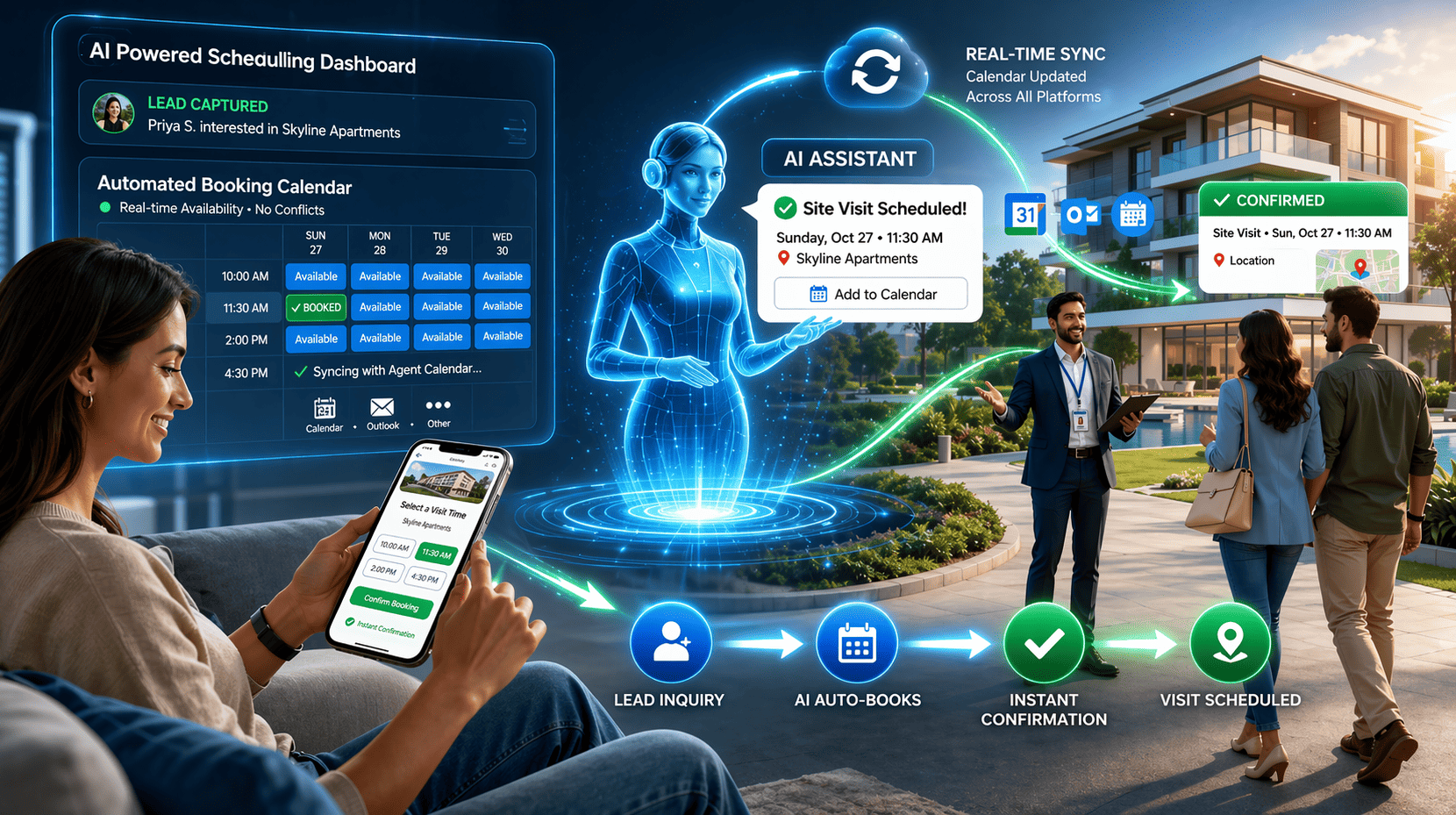
Automating the Real Estate Site Visit Lifecycle
A strategic blueprint for real estate developers on architecting autonomous, multi-agent systems to eliminate lead leakage, guarantee scheduling determinism, and maximize site visit conversion rates.